The Importance of Pediatric Dentistry: Why Should They Go?
9 May 2025
How Long Do Dental Implants Last?
19 May 2025
Warning Signs You May Require a Root Canal
Root canal procedures are vital in maintaining the health and functioning of a tooth that is severely damaged or infected. Most people tend to associate the term ‘root canal’ with excruciating pain: in actual fact, root treatments are meant to relieve any discomfort, not inflict it. If you know the early signs that suggest you might be requiring the mentioned procedures, you will be saving yourself from a lot of dental inconveniences in the future.
Symptoms like persistent dental pain and certain quirks of sensitivity can result in infections of a very serious nature that can cause tooth loss and expensive treatment options. Getting a root treatment done on time can make a difference between saving a tooth and having it extracted. This manual will walk you through some of the most common warning signs pointing towards the need for a root canal, and why acting fast is paramount for oral health.
Now let us get into some specific signs that you cannot afford to ignore.
Persistent Dental Pain That Doesn’t Go Away
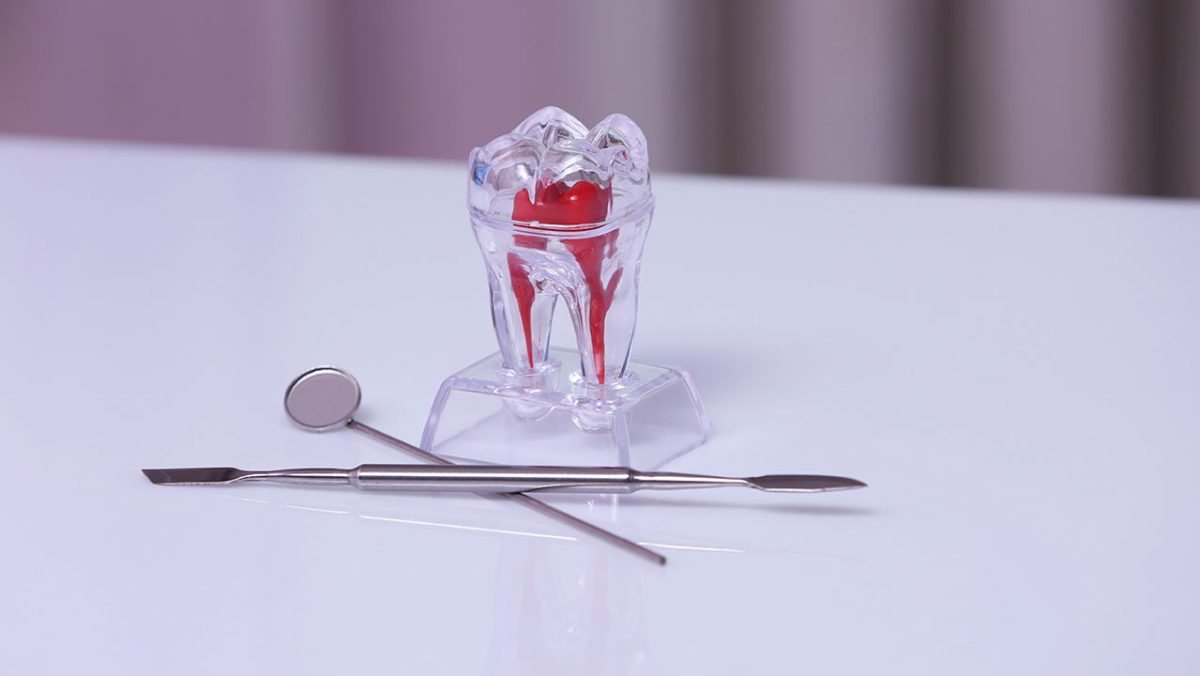
One of the most obvious indications that you may need root treatments is throbbing, persistent pain in your teeth. In contrast to temporary toothaches which come and go, this kind of pain persists and has the potential to actually worsen as time goes on. It is usually worse if you chew on the tooth, press down on the tooth, or alter the temperature such as with cold or hot beverages.
The pain may at first be tolerable with over the counter pain medication, but treating the symptom rather than the cause doesn’t cure it. Really, long term pain is often a signal that the pulp within your tooth, the area with nerves and vessels, is infected or inflamed. Left untreated by the pros, the infection will become systemic and require even more drastic measures.
When your toothache becomes a daily struggle and starts to hamper your daily activities, it’s a sure indication that you must visit a dentist. Early dental procedures can stop the pain and eliminate the source of infection before it leads to more severe issues.
Severe Sensitivity to Hot and Cold
Sensitivity to hot and cold is a standard dental complaint, but if severe or persistent beyond the time for the temperature stimulus to pass, it may portend a worse underlying issue. Such prolonged sensitivity of the tooth typically indicates damaged or dying nerve tissue in the tooth.
In contrast to normal sensitivity, which has a tendency to occur temporarily and only on the surface, root sensitivity means that there is a problem in the pulp. When drinking hot coffee or eating ice cream causes stabbing pains to pass through your tooth that last for minutes or hours, you might be suffering from a serious infection inside.
By visiting your dentist for treatment early, you allow your dentist to assess whether root treatments are needed to preserve your tooth. If left untreated, the situation will only deteriorate, further endangering the loss of the tooth.
Swollen Gums and Visible Pimples
Gum swelling around a particular tooth could be a surprising sign of infection that needs to be treated urgently. In some cases, you might even see a pimple like swelling on your gums, which is actually an abscess formed due to pus accumulation.
These symptoms tend to indicate that the infection has now progressed from the tooth itself and into the tissues around the tooth. This can be extremely dangerous as mouth infections can quite easily travel to other parts of the body and cause more severe health problems.
Every time you experience puffy gums or swellings alongside a sensitive tooth, you need to get an assessment from a dentist. At times, one will simply have to get a basic root treatments to eliminate the infection and save the tooth before this condition gets worse.
Deep Cavity That Reaches the Nerve
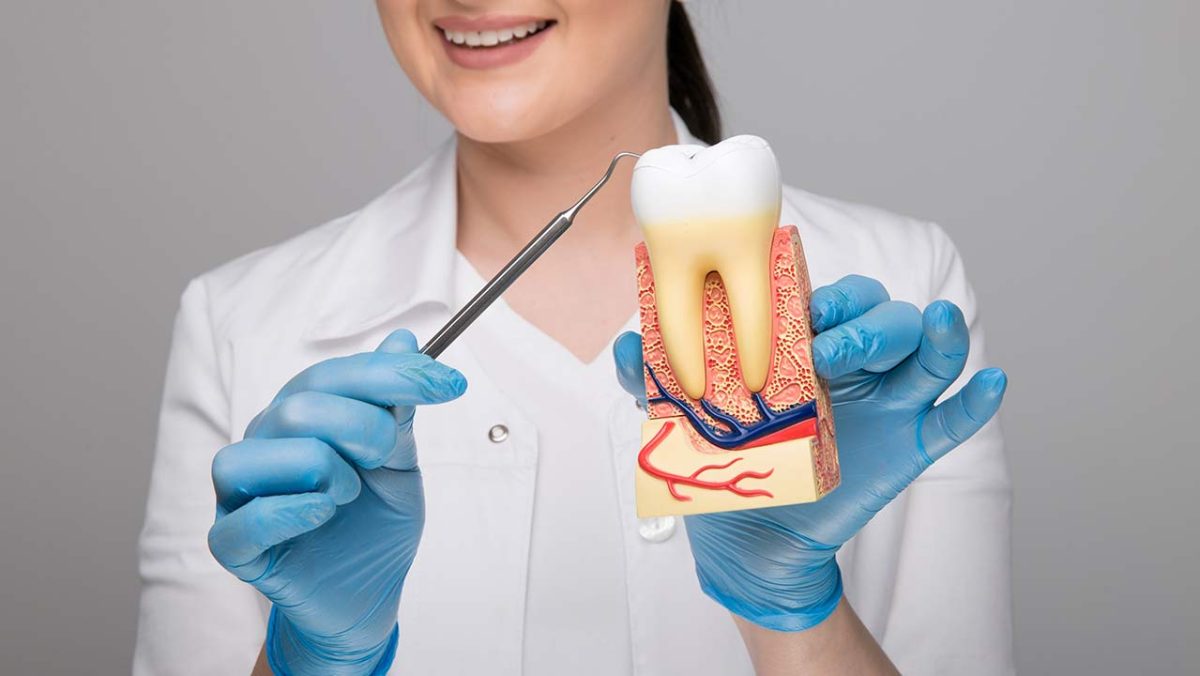
A big cavity is not just a cosmetic concern; it is an open avenue for bacteria to infect your tooth’s pulp. When decay has progressed beyond the outer enamel and dentin layers, it exposes the inner nerves to infection and inflammation.
At this point, a normal filling will most likely not suffice to correct the issue. If no endodontic procedures are done, the infection will just keep spreading, causing immense pain and, as a worst case scenario, potentially requiring tooth removal.
If your dentist tells you that you have a cavity close to or in the nerve, it’s not one to put off. Moving quickly with a root treatment procedure can be the difference between saving a tooth and needing costly replacements like implants or bridges.
Discoloration or Darkening of the Tooth
Whereas teeth can stain due to a range of causes such as food or beverage stains, a tooth that turns gray or black may be an internal trauma. Turning white or gray typically happens when the pulp of the tooth is dead and blood flow is interrupted.
If you notice that one of your teeth is yellowing for no apparent reason, it’s a sure tell that the tooth is no longer healthy. More often than not, root procedures are the sole option to remove the dead pulp and restore structure to the tooth.
Overlooking discoloration can lead to the weakening of the tooth and underlying bone. Working quickly will preserve not only your smile’s appearance but your oral health as well.
Cracked or Chipped Tooth
Damage to a tooth, such as a hairline crack or severe chip, may seem insignificant; a point of entry for bacteria is an open invitation to internal infection. Even fine hairline fractures may expose the pulp, needing to be treated immediately to prevent further damage.
Consequently, immediately after a dental injury, there may be no pain experienced. Pain arising days to weeks later may be a sign that the pulp is being hurt; if left untreated, the crack can worsen, spreading damage even further and complicating treatment options.
Dentists usually recommend root treatment for cracked or chipped teeth to eliminate any infection and seal the tooth against future problems. Timely dental intervention can be what saves a healthy tooth versus a costly restoration.
Root Rot Treatment May Be Necessary

If infection and cavities are not taken care of when they need to be, it can lead to what is known as root rot, severe weakening of the tooth root. This is a major problem and needs root rot treatment right away in order to prevent loss of the tooth and possible systemic infection.
Root rot often results in a foul taste in the mouth, halitosis, and excruciating pain. Later on, it may even cause visible bone loss around the tooth that, over time, can reduce the strength of the entire jaw. Keeping ahead of the problem with early dental care can prevent such drastic effects. It’s not just fixing one tooth; it’s protecting your overall dental and physical health.
Act Early to Save Your Smile
Recognizing the signs you should anticipate root treatments is vital to a healthy smile and averting serious dental complications. From chronic toothaches to issues such as a cavity that goes below the surface of the tooth or visible tooth sensitivity, these warning signs are not to be neglected.
Early intervention by way of root rot can be the deciding factor in the salvage of a tooth that would otherwise need to be removed. Emergency action not only saves your tooth, but it will also save you future more costly and intrusive procedures.
If you are experiencing any of these symptoms, don’t wait. Get an appointment with your dentist today and begin taking care of your smile and your overall health.