The Truth About ‘Sinus Lifts’ and Grafting
25 April 2026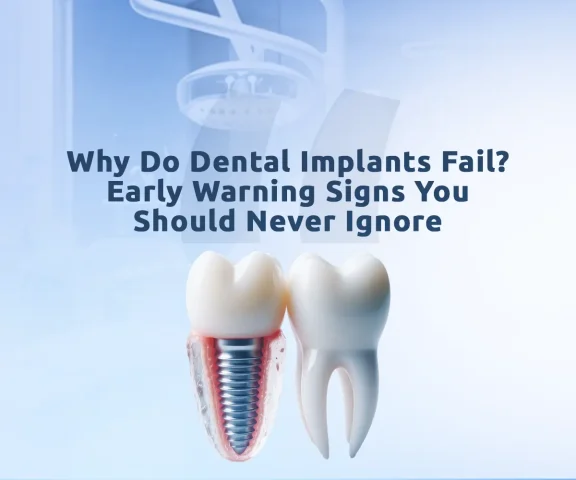
Why Do Dental Implants Fail: Early Warning Signs
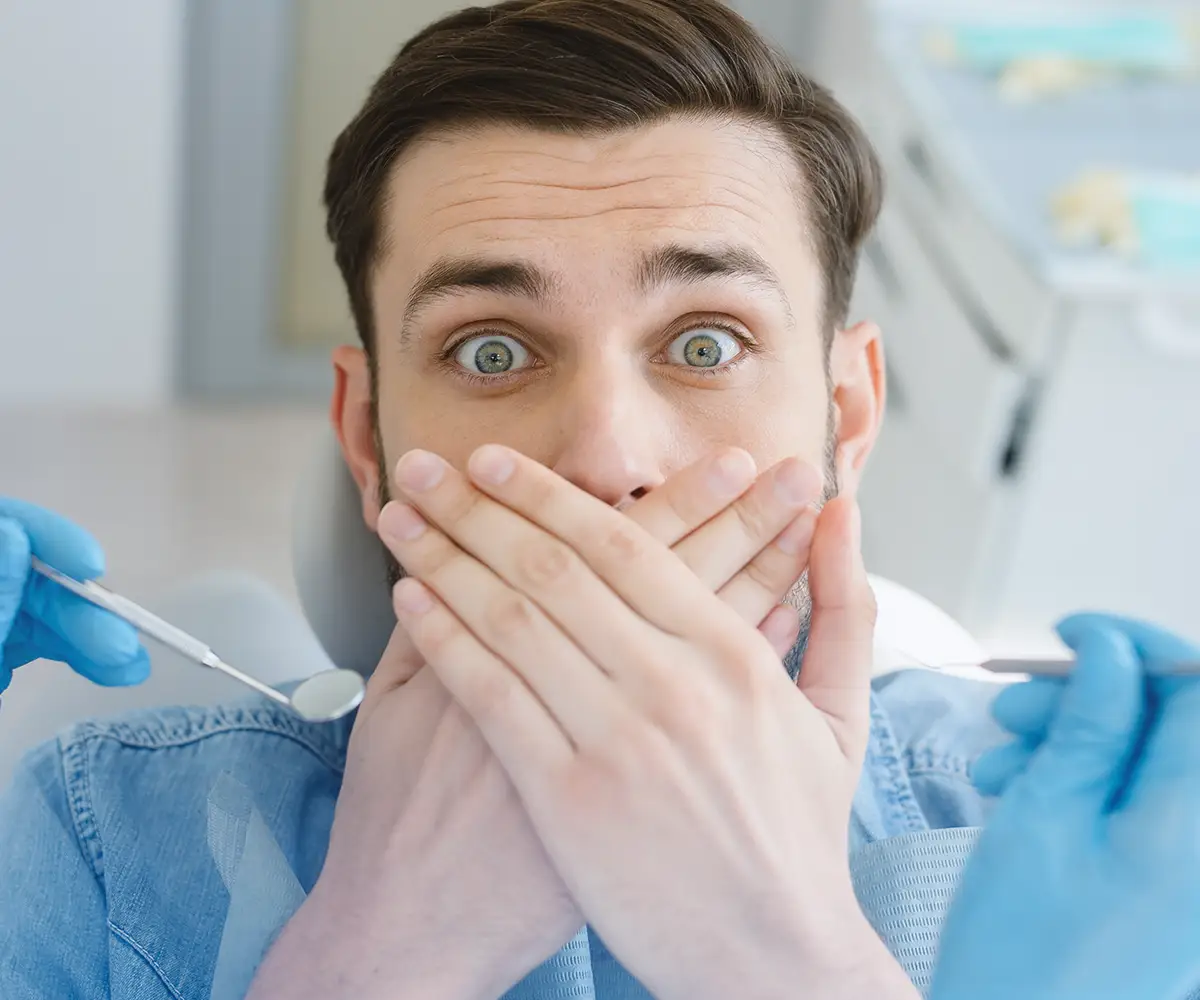
Getting a dental implant can feel like finally fixing a missing puzzle piece. Eating becomes easier, smiling feels natural again, and confidence slowly comes back like sunlight after a stormy week. But sometimes… things don’t go exactly as planned.
A tiny discomfort turns into constant pain. A strange wobble appears while chewing. Maybe the gums start swelling for no obvious reason. And suddenly, the fear creeps in:
“Is something wrong with the implant?”
That fear is more common than people think. Even though implants have very high success rates today, dental implant failure can still happen under certain conditions. The good news? Most serious problems usually send warning signals first. The trick is noticing them early instead of ignoring them and hoping they disappear on their own.
Let’s talk about those signs honestly, without robotic medical talk or scary exaggerations.
Implant Failure Doesn’t Always Mean Disaster
Hearing the word “failure” sounds dramatic, honestly. Like everything has collapsed completely.
But in reality, some implant issues are small and treatable when caught early. Dentists today often explain that early intervention can save both time and money. That’s exactly why understanding the signs of failed dental implant matters so much.
Sometimes the issue is inflammation. Sometimes the bite pressure is uneven. Sometimes healing just doesn’t happen the way it should. Human bodies are weird sometimes, right?
A quote often shared in implant dentistry says:
“Healthy implants don’t usually hurt, move, or bleed.”
Simple sentence. Huge meaning.
Why Dental Implants Fail in the First Place
There isn’t just one reason behind implant problems. Usually, several factors slowly stack on top of each other like dominoes.
- Poor Oral Hygiene: This one is huge. Plaque and bacteria around implants can irritate the surrounding gum tissue. Over time, infection may begin affecting the bone supporting the implant itself. That’s where dangerous peri implantitis symptoms can appear. Swelling, redness, bleeding, bad taste in the mouth… these signs shouldn’t be ignored.
- Smoking: Still one of the biggest risks. Smoking slows healing and reduces blood circulation around the implant area. The implant may struggle to integrate properly with the jawbone.
- Teeth Grinding: Night grinding puts enormous pressure on implants. Some people don’t even realize they grind until jaw pain or headaches start showing up.
- Bone Loss: Sometimes there simply isn’t enough healthy bone support. Modern dentistry can often rebuild bone successfully, but weak support structures still increase risk factors for dental implant complications.
The Early Warning Signs Nobody Should Ignore
This section matters A LOT.
People often assume implant failure always comes with unbearable pain. Actually… not always.
Sometimes the body whispers before it screams.
Persistent Swelling
Minor swelling after surgery is normal for a few days. But swelling weeks or months later? Different story.
Especially when combined with redness or warmth around the gums.
Bleeding Around the Implant
Healthy gums usually don’t bleed randomly. Occasional irritation can happen, sure, but repeated bleeding may point toward infection.
Pain While Chewing
A stable implant should feel natural over time. Sharp discomfort while biting may signal underlying problems developing below the surface.
Implant Movement
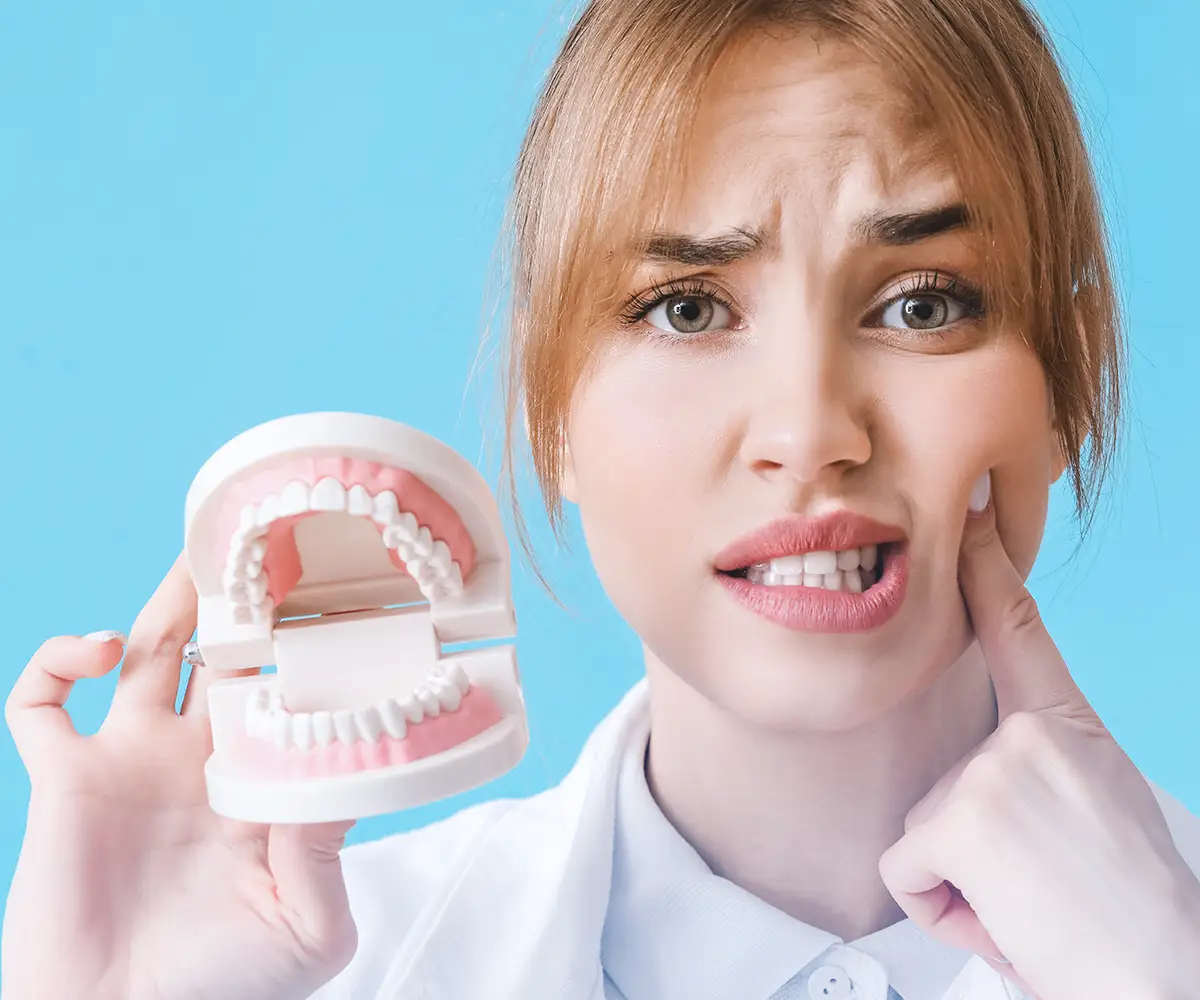
One of the clearest loose dental implant symptoms is actual movement. Even tiny shifting can be a serious warning sign.
Implants are designed to stay fixed. If movement appears, the surrounding support may already be compromised.
Unpleasant Taste or Bad Breath
This sometimes surprises people. Persistent bad taste can indicate bacteria buildup or infection hiding around the implant area.
Many dentists associate this with developing peri implantitis symptoms, especially if gum irritation is also present.
The Silent Danger: Peri Implantitis
Peri implantitis is basically inflammation and infection around the implant. It damages gum tissue and slowly attacks supporting bone.
And honestly? It can progress quietly.
That’s what makes it scary.
Current studies continue showing that untreated inflammation around implants can lead directly to dental implant failure if intervention happens too late.
The frustrating part is that many people mistake early symptoms for “normal healing.”
They aren’t.
Swelling months later is not normal. Bleeding during brushing isn’t something to casually ignore either.
Can a Failing Implant Be Saved?
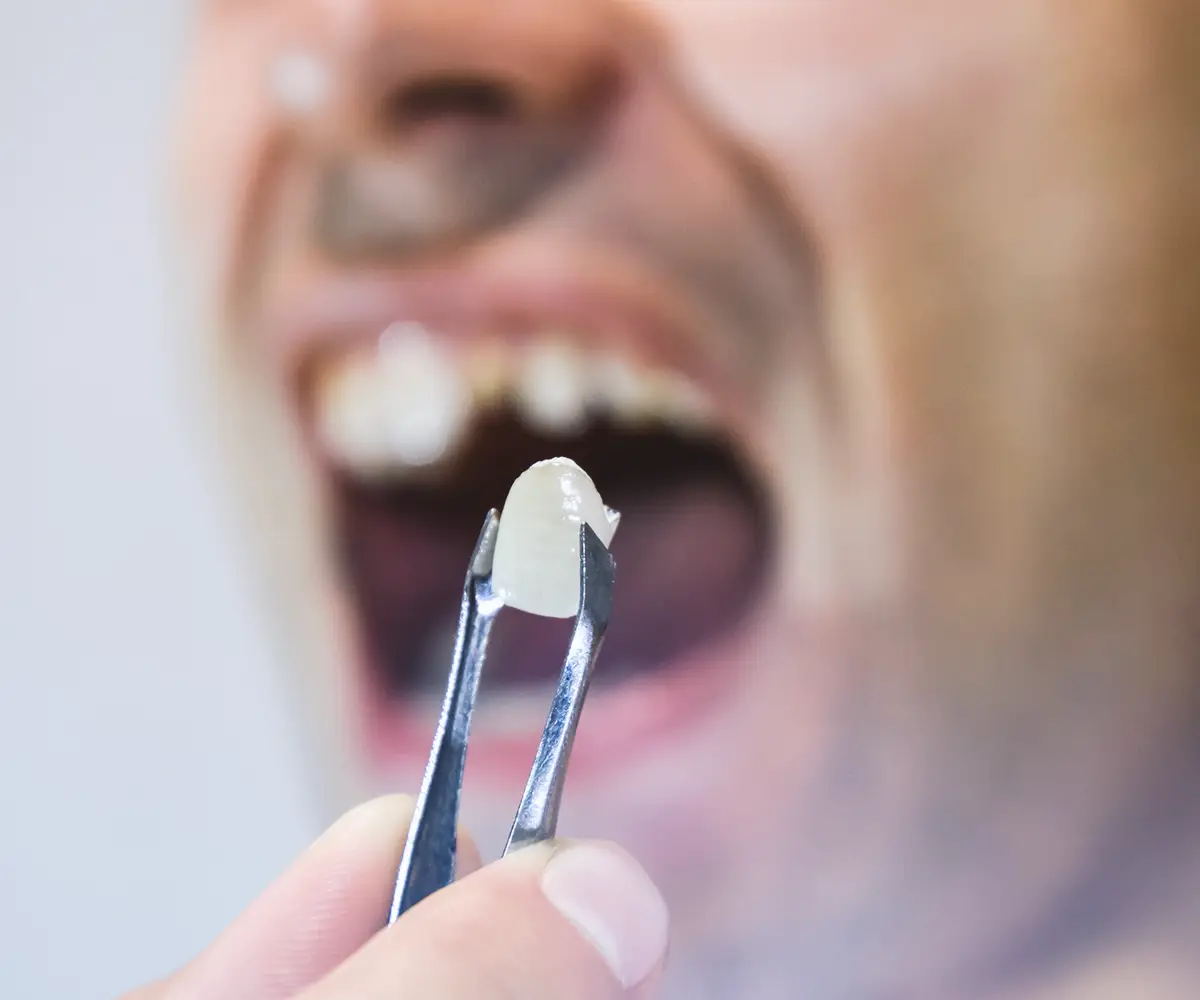
In many cases… yes.
That’s why learning how to save a failing dental implant is so important. Timing changes everything.
When problems are caught early, treatments may include:
- Deep cleaning around the implant
- Antibacterial rinses
- Bite adjustments
- Bone regeneration procedures
- Infection control therapies
Modern dental implant infection treatment options are far more advanced now than they were years ago. Many clinics use targeted cleaning technologies and regenerative methods to protect surrounding tissues.
Still, the longer problems continue untreated, the harder saving the implant becomes.
Loose Implant or Loose Crown? Big Difference.
This confuses SO many people.
Sometimes the implant itself is perfectly stable, but the crown attached to it becomes loose. Other times the implant post inside the bone is actually moving.
Completely different situations.
Understanding common failed implant crown causes can prevent unnecessary panic. Loose screws, bite imbalance, worn components, or accidental trauma may affect the crown separately from the implant.
That’s why proper evaluation matters instead of guessing at home.
And honestly… trying internet DIY fixes on implants is never a good idea. Ever.
Modern Treatments Are Better Than Ever
There’s actually some reassuring news here.
Dental implant technology keeps improving every year. Digital planning, guided placement systems, stronger materials, and improved surface technologies have significantly reduced many risks connected to dental implant complications.
At clinics like Aliadent, detailed evaluations often help identify hidden risk factors before treatment even starts. That’s a huge advantage because prevention is always easier than repair.
Still, even perfectly placed implants need proper long term care.
An implant isn’t “install and forget forever.” Bodies don’t work that way.
Small Habits That Protect Implants Long Term
Honestly, tiny daily habits matter more than expensive products sometimes.
- Use Soft Brushing Techniques: Aggressive brushing can irritate gum tissue around implants.
- Don’t Skip Checkups: Routine visits help spot hidden inflammation before major damage occurs.
- Wear Night Guards if Needed: Grinding pressure can silently weaken implant stability over time.
- Stop Smoking if Possible: Even reducing smoking frequency can improve healing and tissue health.
- Pay Attention to Your Body: Persistent discomfort usually means something needs attention.
These little habits drastically reduce the chances of future dental implant failure.
Emotional Side of Implant Problems
Nobody talks enough about this part.
When implants feel unstable, people often panic emotionally too. Smiling becomes stressful. Eating feels awkward. Confidence drops fast.
That emotional weight is real.
Especially after investing time, money, healing, and hope into treatment.
That’s why supportive communication matters during implant care. Patients deserve clear explanations, not confusing medical jargon that sounds colder than winter pavement.
At Aliadent, many patients are guided through treatment planning with realistic expectations and ongoing monitoring, which honestly helps reduce anxiety a lot during recovery periods.
Final Thoughts
Dental implants are one of the most successful treatments in modern dentistry, but problems can still happen. The important thing is recognizing warning signs early instead of pretending everything is fine.
Persistent swelling, bleeding, discomfort, movement, or strange taste sensations should never be brushed aside casually. These may be early signs of failed dental implant situations developing slowly beneath the surface.
The good news is that modern dental implant infection treatment approaches can often control issues before they become severe. Early care changes outcomes dramatically.
And maybe the biggest takeaway of all?
Healthy implants shouldn’t constantly demand attention. When something feels “off,” the body is usually trying to say something. Listening early can make all the difference.