
Dental Implant Pain After 2 Weeks: Is It Normal?
17 June 2026
Sinus Lift vs Bone Graft: What Is the Difference?
19 June 2026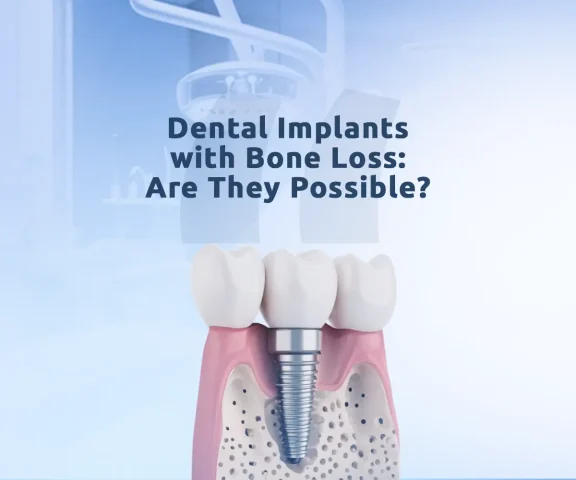
Dental Implants with Bone Loss: Are They Possible?
Missing teeth affect more than the aesthetics of your smile; dental bone that supports the site’s function is also degraded due to loss of chewing force applied to that location, subsequently leading to further deterioration of the adjacent bone at the site of the lost tooth over time. As a consequence, many patients experience fear and anxiety after learning they have experienced some type of bone loss. Patients often want to know if they have sufficient bone for placement of an implant when there has been previous bone loss or if they will need additional procedures prior to receiving an implant.
The short answer is YES!, with underlying variables being the location and quality (density) of the remaining osseous tissue (bone). Some patients will be able to go directly from the implant evaluation to the implant surgery with just some planning; while others will require additional surgical procedures prior to receiving placement of their implants. The first step to developing an adequate treatment plan is thorough examination of the patient, because all patients will have different degrees of osseous de-calcification caused by bacteria and other factors.
Why Bone Matters for Dental Implants
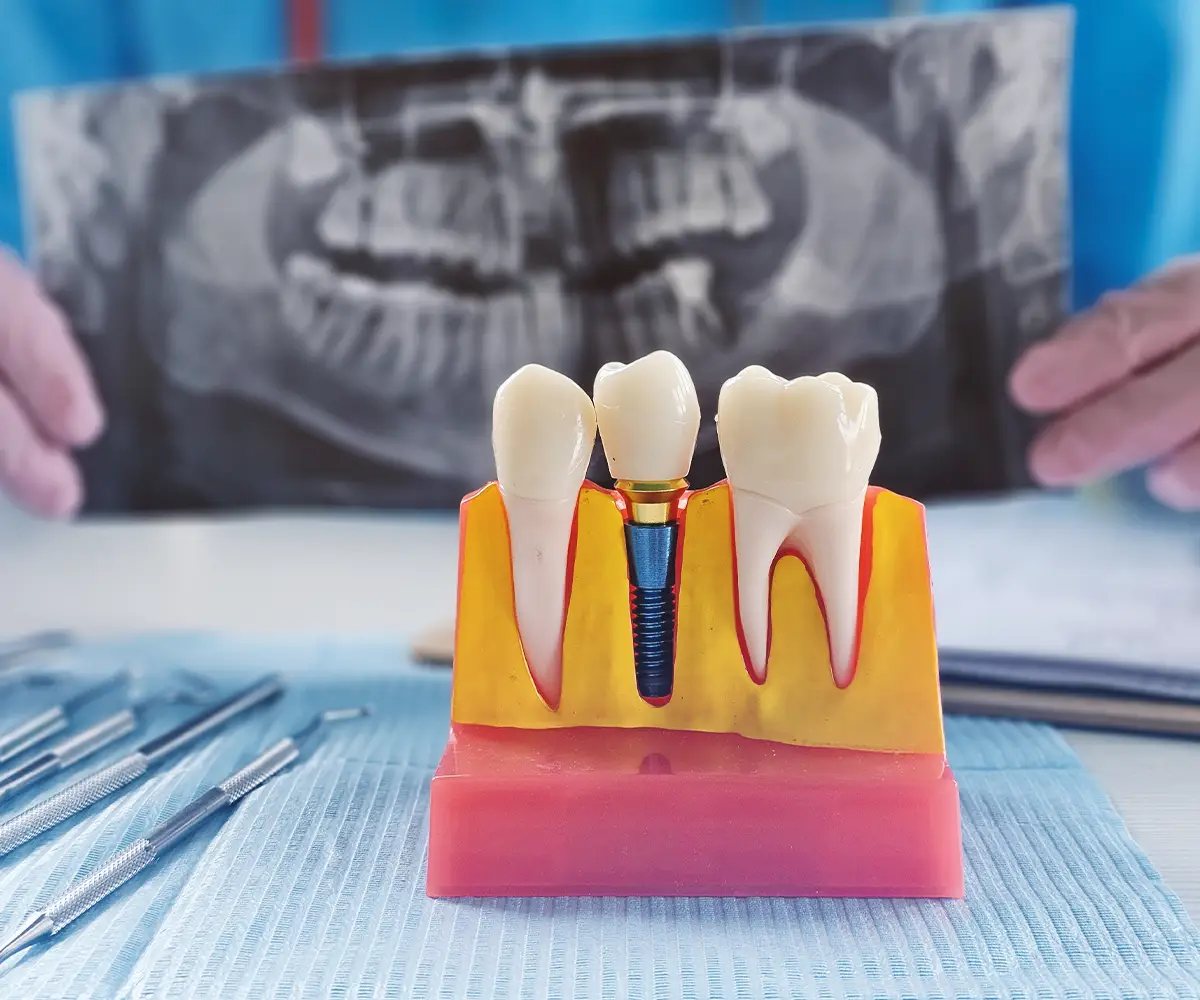
A dental implant is surgically installed into the bone in place of a natural root of tooth. Once placed, the bone around the implant has to heal so that the implant can be held securely. For a successful outcome of the implant, implant stability is one of the main parts of the treatment. Without enough bone around the implant there won’t be enough support to heal as well as long term chewing.
Jawbone loss happens for many reasons, most often it occurs because missing teeth go untreated and the bone in the empty space changes over time. When a tooth has been removed, the bone slowly changes how it looks. Bone will shrink down over time with no tooth above it to give it support. Also, periodontal disease can cause bone loss around the root of a tooth. Sometimes the volume of the bone is reduced due to trauma, infection or other dental problems that have happened before.
This doesn’t mean that no implants will be possible. Before making a decision about dental implants with bone loss, dentists will want to determine how much height, width and density of the jawbone is available. With the use of modern imaging methods, dentists can easily evaluate the bone and see if the implant can be safely placed.
Can You Still Have Implants If Bone Is Thin?
If you have thin bones, you may still be a great candidate for an implant. The dentist will have to change your treatment plan slightly when treating you. Some of the changes that the dentist might make include doing “bone grafting” (adding bone) before the implant or changing the implant size, angle, or placement.
Bone grafting is when they place bone in a location that does not have enough bone or is too weak to support an implant. The purpose of the graft is to create a better base for the implant. Some patients will have the graft done a few months before getting the implant, and others may have the graft done when getting the implant if they only have a small amount of bone loss.
The main point here is that dental implants with bone loss require more advanced planning than a simple implantation case. A person with strong bone may have more direct steps to having the implant completed than a person with decreased bone density, who may need to do the process in stages.
When Bone Grafting May Be Needed
When the jawbone is unable to support an implant due to size or strength issues, your dentist may suggest bone grafting as a solution. Bone grafting is often done when teeth have been missing for an extended period of time, and over time, the jawbone can change in shape due to the loss of teeth.
Obtaining additional bone volume through a graft will enhance implant stability, however, good implant planning is still essential for successful implant placement. Bone grafts have allowed many patients to obtain dental implants with bone loss that were previously told they did not have enough bone to support an implant.
Mild, Moderate and Severe Bone Loss
There are differing types of cases of missing teeth and each will have variable treatments as well. For example, if you lose a tooth and you have lost a small amount of bone, you might only require some minor change(s) when placing the implant into your mouth. A moderate loss of bone after losing a tooth might require you to get a bone graft either before or during treatment. If you suffer from severe bone loss after having lost multiple teeth or from having a very thin jawbone, it may require an advanced treatment plan.
A consultation is also necessary so that any case type can be fully explored and understood prior to any other treatment decision. Simply looking into the mouth won’t give enough information about the condition of the bone below your gum tissue, so the dentist will typically use either x-ray or 3D imaging to fully visualize what they will be doing below the gum tissue.
What If Bone Loss Is in the Upper Jaw?
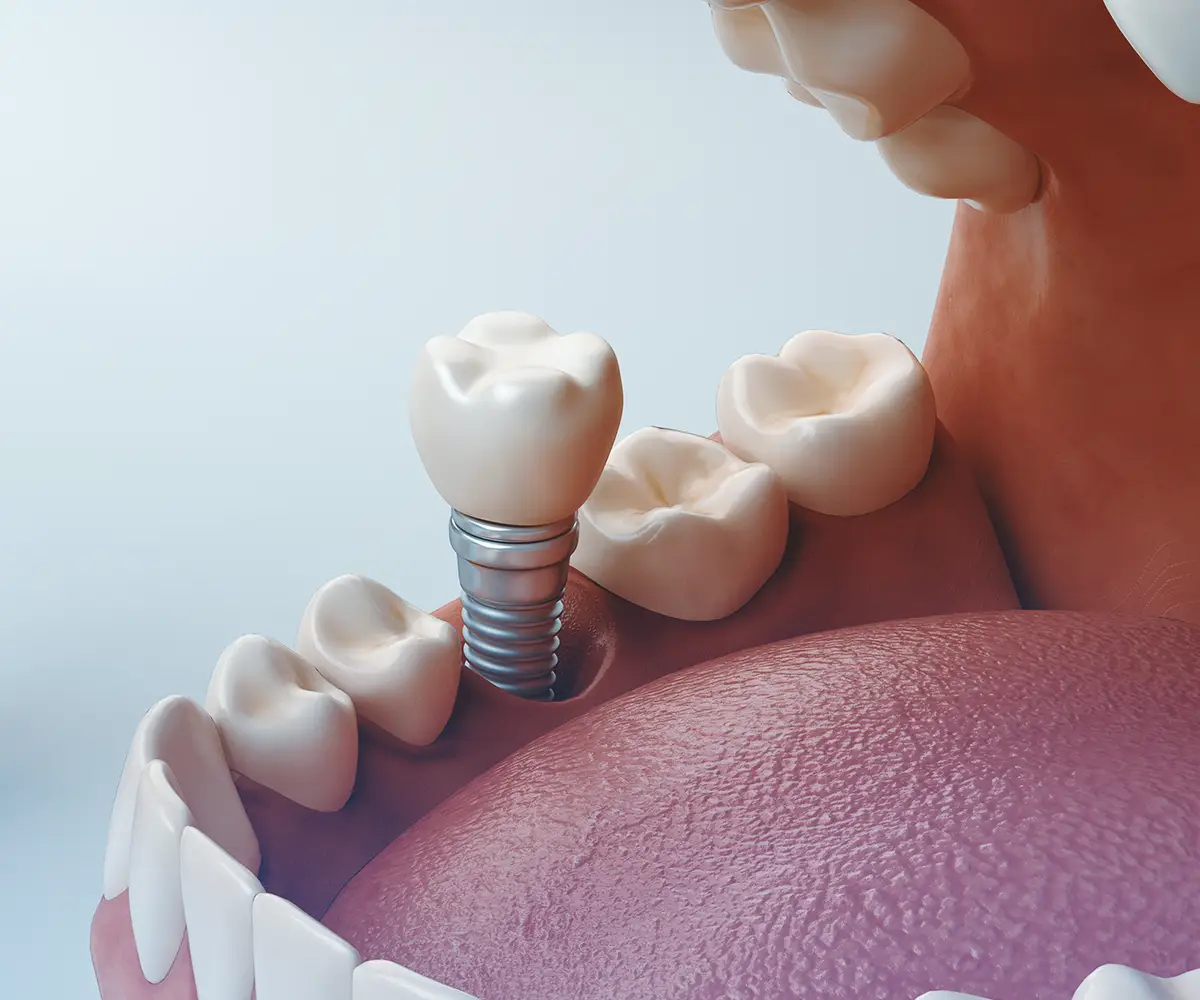
Bone loss in the upper jaw can be complicated by the presence of the sinus cavity. If there are missing upper molars for a long time, the sinus will be located nearer to the bone of the upper jaw. This has an impact on the placement of dental implants; there is less room available for implants. Therefore, a patient may need a sinus lift in these situations to provide extra space to achieve a successful result with their implants.
A sinus lift changes the perspective of where bone can be added in the upper jaw prior to placing an implant. In many cases, a sinus lift procedure is necessary when a patient desires to place an implant in the area of the upper molars or premolars, but there is insufficient vertical height of bone to accommodate the placement of an implant. If there is insufficient vertical height of bony tissue, a patient can still have an implant done, it just requires modification of the treatment plan to securely incorporate the sinus cavity.
In several patients, their dental implanter may have to complete a sinus lift procedure along with some type of graft to create a suitable amount of bone for implant placement, even when there is very little bone within the upper jaw to begin with. How this is accomplished will depend upon the amount of bone that exists; the anatomy of the sinus cavity in relation to the implant; as well as how many implants they are desiring to place.
How Dentists Check If You Are Suitable
During your initial dental implant consultation, the dentist will assess multiple factors concerning your oral health: they will evaluate the state of your gums and any medical conditions that may impact the surgical procedure, as well as review any diagnostic images, such as X-rays or CT scans that were taken before your visit. Your dentist will also examine the density and/or volume of bone available for placement, whether your gums are healthy, and how your particular bite will impact the future implant.
Bone quality is just as important as quantity because no two bones are created alike, and bone density varies widely. Even though you can have a sufficient amount of bone for your eventualise, some areas may have less density than others. These areas will affect the stability and the time it will take for your implant to heal following placement. In these instances, your dentist may modify the treatment plan to ensure that your implant is protected during the healing period.
Your dentist will also assess why you have experienced loss of jawbone. If you have an active gum infection, it must be resolved before you can proceed with your implant surgery. If you have an unhealthy mouth or peritonitis (a condition that causes infection in the tissue around the teeth), there is a risk of complications once the implant is placed. You need to have healthy tissue and a controlled environment in order to achieve long-term success with your dental implants.
Why Missing Teeth Should Not Be Ignored
Teeth that are missing will change more than just your appearance; they will also affect the way you bite, how you chew, and how adjacent teeth move. The bone beneath the missing tooth may eventually shrink as it is no longer stimulated by the natural forces associated with chewing. This is one reason we encourage patients to plan early; by replacing the missing teeth sooner, you may help reduce the bone change that occurs in the future. However, even if the tooth has been missing for a long time, you should still make an appointment to have an assessment done. Many patients who do not believe they qualify for implants have options to explore. When evaluating a patient’s dental implant candidacy with bone loss, the dentist will consider the length of time the tooth has been missing but will also need to review such factors as the location of the missing tooth, the condition of the gums, the patient’s bite, and the amount of existing bone.

Treatment Options for Patients with Bone Loss
The primary method of restoring lost bone mass in patients is by using grafts to increase the amount of healthy bone available for dental implant placement. However, grafting is not always the sole consideration in devising a treatment plan. For example, certain patients who have lost bone mass due to periodontal disease will likely need to have periodontal treatment before proceeding with a dental implant. On the other hand, other patients may actually need to have teeth extracted, and be allowed to heal before they can begin the process of planning their dental implants.
There are also alternative techniques that dentists can use to restore bone loss with dental implants, such as using angled or shortened dental implants, or using an entire arch (full-arch) solution depending upon the patient’s anatomy. Any choice of these alternative techniques should only be made following thorough imaging and clinical evaluation.
Although the ultimate goal of placing a dental implant is to successfully place an implant, the ultimate goal is equally important: to have the implant heal properly, support an attached crown or bridge and provide comfortable function over time. Therefore, successful dental implants with bone loss will only occur if careful diagnosis occurs and not if a quick decision was made regarding grafting procedures or dental implant(s) placement.
Recovery and Long-Term Care
If bone grafting or sinus lifts are required in addition to dental implants with bone loss, convalescence will most likely take longer. This is because the body will require time to reconstruct and create a solid foundation prior to having a definitive restoration completed. Depending on the individual’s needs, some people may also be able to receive temporary prosthetic teeth during the course of their treatment.
Once the procedure has been completed, daily maintenance of the area is critical. Dental implants with bone loss do not decay like natural teeth; however, the bone and gum tissues that support them must maintain good health. By routinely brushing, flossing and having regular dental examinations, the area surrounding the implant can be protected from becoming inflamed because of poor oral hygiene.
Individuals who have suffered from bone loss prior to placement of a dental implant must pay particularly close attention to maintaining the area. Regular follow-up visits with the dentist will permit the surgeon to evaluate the health of the gums, the amount of pressure being placed on the implant, and the condition of the implant restoration.