Dental Implants with Bone Loss: Are They Possible?
18 June 2026
Sinus Lift vs Bone Graft: What Is the Difference?
Patients who want to get dental implants to replace teeth that they have lost sometimes get told by their dentist that they need to have extra bone before they can begin treatment. This can be confusing, especially since the dentist will often use the terms sinus lift vs bone graft when talking with the patient. Many people think that these are the same procedure but they are actually different from one another.
By understanding sinus lift vs bone graft, the patient will feel more knowledgeable about what to expect prior to their implant consultation. Bone grafts and sinus lifts are used to create a stronger base for dental implants, however, each of them has a different purpose. A patient can have a bone graft anywhere in their jaw, but a sinus lift is generally performed in the area of the upper back part of the jaw next to or near the sinus cavity.
The determination of which type of procedure will be required will depend on where the patient has lost bone, how much bone he / she has and where the dentist plans to place the implant. Therefore, it is generally recommended that a patient receive an imaging study so that the dentist or oral surgeon can make an informed decision as to which procedure (or both) will be necessary.

Why Bone Support Matters Before Dental Implants
A healthy amount of bone is required around dental implants for their stability. The dental implant must be placed into the jaw and will require surrounding bone healing around it, supporting the implant during chewing after placement. If the surrounding jaw bone is too short, too weak or too thin then placing a dental implant will be either very difficult or possibly unsafe to place without some additional preparation.
After an extraction, bone loss may occur due to reasons such as gum disease, infection or trauma. When an individual is missing a tooth for an extended period of time, the bone in that area may also lose density due to lack of pressure when chewing. This reduced density will impact the long-term success of an implant placement and make the planning process more complicated.
This is where knowing the difference between a sinus lift vs bone graft is critical. Both of these procedures are used to create more bone support; however, they address two entirely different circumstances. When we think about use for bone grafting, it is usually associated with placing bone at a specific site to rebuild the missing or deficient area. Conversely, a sinus lift procedure is typically reserved for individuals who do not have enough vertical bone height in the upper back jaw to accommodate placement of an implant because of the location (i.e., position) of the sinus.
What a Bone Graft Does
A dental bone graft has two purposes. One is to add bone or bone substitutes to places in the jawbone that are too thin or weak for dental implants. The other is to build jawbone density to help support future implants.
Bone grafts can be used anywhere in the mouth — the upper jaw, lower jaw, or either the front of back teeth; depending on your specific clinical situation.
Bone grafting can be recommended after you have your teeth removed, prior to having dental implants, or when you already have had bone loss affecting the shape of your jaw. In some cases, the dentist will place the graft and allow it to heal for several months before putting in a dental implant. In some cases, the dentist will add a small bone graft at the same time as placing the dental implant.
An essential point regarding a bone graft is that it is not limited to one area of your mouth. The reason that the graft can be placed in any area of your mouth is because it is a general procedure aimed at increasing bone support wherever needed; thus, this procedure is different from a sinus lift, which is a more specific procedure to the upper jaw in the area of the sinuses.

What a Sinus Lift Does
A sinus lift is an advanced bone enhancing surgery which is performed in the back upper jaw. The upper back jaw has either molar or premolar teeth very close to a person’s maxillary sinus. When a tooth has been missing from either of these areas for an extended period of time, the patient’s maxillary sinus may actually drop closer to the jaw bone, thereby reducing the amount of jaw space available to place dental implants into.
By performing a sinus lift we may gently raise the sinus membrane and create the necessary vertical space below the sinus for adding bone material. This will ultimately provide adequate vertical height of bone in the upper jaw in order to allow for dental implants to be placed with a healthy, stable support system.
Sinus lift surgery generally does not take place in either the anterior (front) portion of the mouth or the lower jaw as these procedures are treatment specific to the anatomy of the sinuses. Since jaw bone loss is the most common reason for a patient to undergo a sinus lift, if there is not a sufficient amount of vertical bone height to support an implant prior to performing a sinus lift, placing the implant without some preparation could potentially be dangerous. Therefore, by performing a sinus lift, a clinician can provide a solid foundation for future dental implant(s) placement.
The Main Difference Is Location
For sinus lift vs bone grafts the most straightforward way to conceptualize their differences is through location; bone grafts can be used in many places on the jaw, while sinus lifts only apply to the upper back of the jaw due to the sinus impacting the amount of bone available to place implants.
Typically, a dental bone graft will add directly to an area that has little to no bone, while a sinus lift will also use grafting material, but will first lift the sinus membrane in order to create enough room to then place bone graft onto itself. As such, every sinus lift will also include a grafting component, but not all grafts are sinus lifts.
This explains why both terms may be used interchangeably when talking about the same thing; if bone loss is widespread, then a dental graft might suffice. If, on the other hand, there was localized upper-jaw bone loss adjacent to the sinus, then a sinus lift and graft will be necessary.
How Dentists Decide Which One You Need
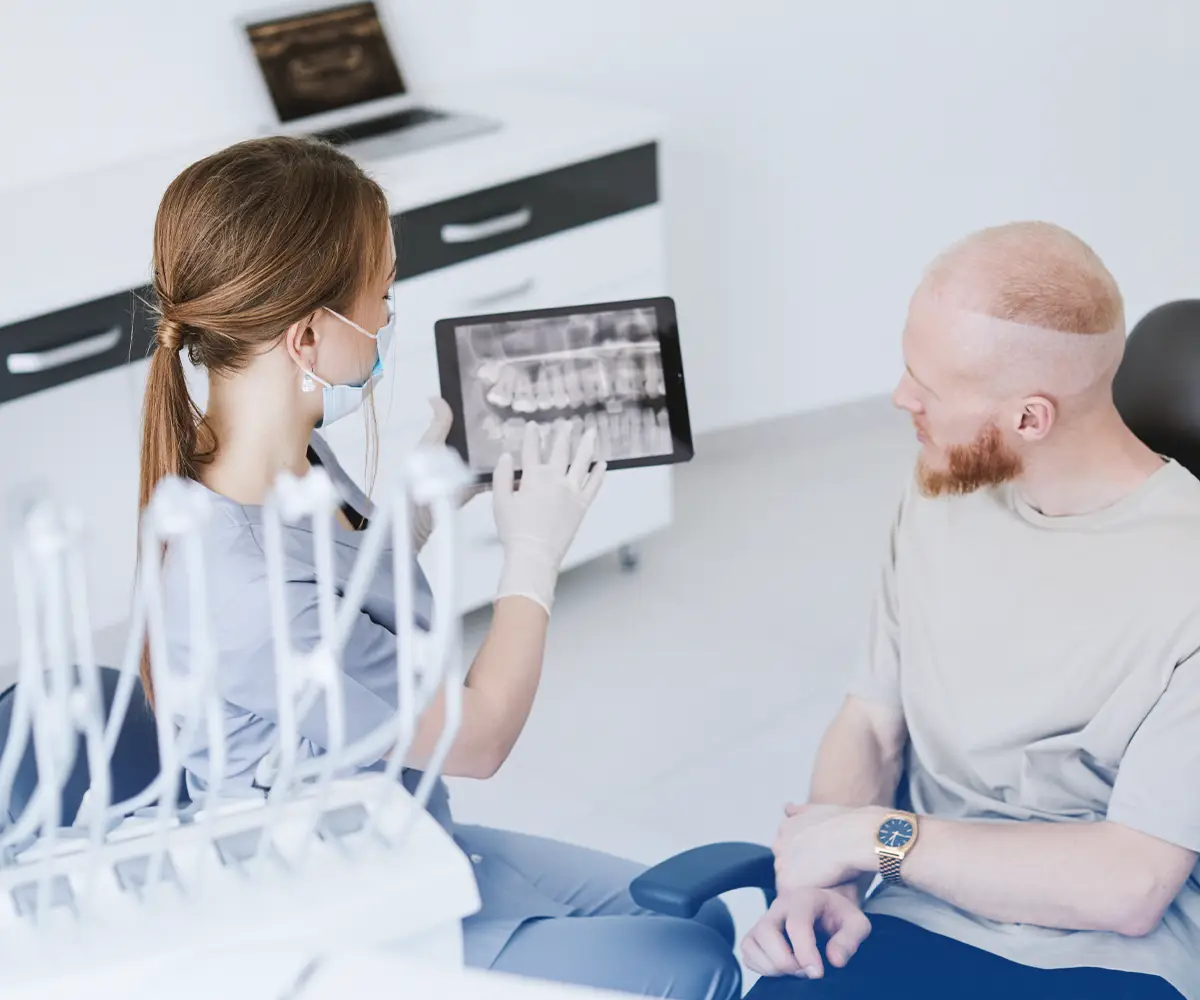
Dentists cannot assess whether to use these treatments or not based on just visual evidence of the gums; they will require X-rays or 3D scans to evaluate both the height and width of the bone, as well as its quality. The dentist needs to have a good visual picture using imaging to evaluate the position of the sinus, other root structures, and nerves.
If there is enough height of the bone, but the jaw is too narrow, a dental bone graft procedure would be the recommended treatment option. If a sinus lift procedure is more appropriate for a patient with existing vertical bone deficiency (due to the proximity of the sinus) in the back of the upper jaw, then a sinus lift procedure would be the recommended choice. In some situations, where both conditions create a lack of bone support, the patient would require that both types of surgical support are performed.
Jawbone density is also very important in evaluating the overall ability of the patient’s jawbone to support an implant. There are cases where the volume of bone is determined to be adequate; however, one or more area(s) of the bone would not provide sufficient structural support (i.e., strength); at that point, the dentist may make adjustments to the proposed treatment, length of healing and position of the implant to provide the most suitable outcome for the patient.
Can a Patient Need Both Treatments?
There are instances where patients may require both procedures. This typically occurs when there is an absence of alveolar bone from the upper jaw and there is little space within the sinus to accommodate the implant site. In this scenario, the dentist would elevate the sinus membrane and place grafting material in order to create adequate bone height and density.
Because of this use of bone grafting techniques, it would not be a straightforward decision as to which procedure to perform; therefore, sinus lifts versus bone grafts do not represent two entirely different treatment alternatives. A sinus lift can be viewed as a subset of grafting procedures that are specific to the posterior maxilla, while there are many areas where general bone grafting has been performed.
The degree of bone loss as well as number of missing teeth and the type of implant restoration will determine whether a patient will require sinus lifts and/or bone grafting
Generally speaking, if a patient only has one missing tooth to replace, the amount of bone graft and/or lifts will be much less than if a patient has lost multiple teeth.
Healing Time and Implant Placement
The time it takes to heal will vary depending on the individual patient and the size of the area that has been grafted. Patients can expect that smaller grafts will typically heal faster than larger grafts or sinus lifts; therefore, if you have had a larger graft or sinus lift, your dentist will likely wait for the new bone to become solid enough to support implant placement.
Implants can sometimes be placed at the same time as bone grafts, but there are cases where the graft must heal before an implant is placed. This is more common when there is significant bone loss or if the dentist wants to establish a stable foundation before placing an implant.
Patients should not view the additional time required to heal as a setback. The objective is to provide a healthier base for dental implants so that they will remain functional for years to come. Placing implants too soon, before the bone has sufficiently healed, increases the likelihood of complications.
What Patients Should Expect Before Treatment
A dentist will evaluate the patient’s dental health, gum condition, and any medical history before recommending a treatment. If the patient has gum disease, has an infection, or is not maintaining proper oral hygiene, that patient would need to treat these issues before going through any procedure related to the placement of dental implants. A healthy mouth will give the grafts as well as the implants a greater chance of healing appropriately.
Each patient can expect to receive a treatment plan tailored to their particular requirements. While two patients may both need to replace missing upper molars, one patient may require only a small graft while the second patient may require a sinus lift. The bone shape, the position of the sinuses, as well as the overall structure of the patient’s jaw provide the reason for this difference.
In addition to a well-developed treatment plan, follow-up appointments are vital to check on the healing process, and to see if the grafted area appears to be healing as expected. Adequate postoperative care (properly brushing teeth, maintaining overall cleanliness, and not placing excessive force on the healing area) will assist the recovery from surgery.
Choosing the Right Procedure for Stable Implants
The difference between a sinus lift procedure and dental bone graft procedure is simply the area of bone missing and what is required prior to implant treatment. A dental bone graft can be done to increase the amount of bone in any part of the jaw, whereas a sinus lift procedure increases the vertical bone height (too close to the sinus) in the upper posterior region of the jaw (upper back jaw) needed to support the dental implant.
Patients should focus more on the reason for recommending either procedure rather than simply the name of the procedure. If the jawbone density does not have sufficient volume, a dental bone graft procedure may be the restorative option to provide that volume; however, if the location of the sinus is too close to the implant site, a sinus lift procedure will be necessary; and in some cases utilizing both types of procedures, the sinus lift vs bone graft, together will provide a solid foundation.
The only way to determine which procedure will be most suitable for each patient is to have both a thorough consultation and diagnostic images taken which will help to determine the appropriate treatment plan, and with appropriate planning, patients without enough bone to support an implant will have the ability to proceed with their implant surgery with a positive attitude and with a good confidence level.