Why a Temporary Crown Keeps Falling Off Before the Final Fit
24 September 2026
Dry Socket After Wisdom Tooth Removal: The Early Signs
The first two days after an extraction usually follow a script. Some swelling, some aching, gradual improvement. Then on day three the pain comes back harder than before, and that is when people start searching for dry socket after wisdom tooth removal at two in the morning.
The timing is the giveaway. Ordinary healing pain fades, this one arrives late and climbs.
What Is Actually Happening
After a tooth is removed, blood fills the socket and forms a clot. That clot is not just a plug, it is the scaffold the body builds new tissue on.
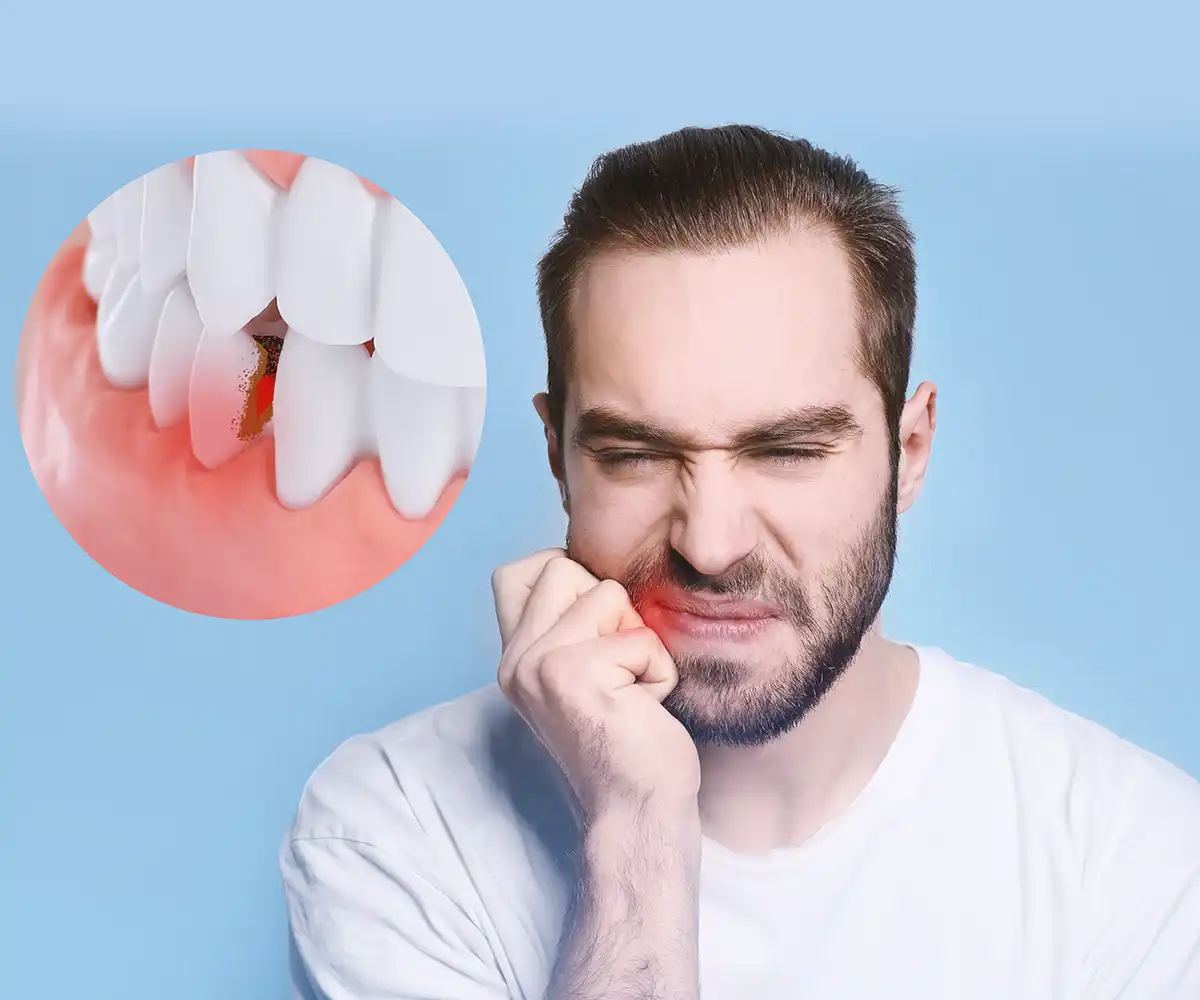
When it dissolves, dislodges or never forms properly, bone and nerve endings sit exposed to air, saliva and food. The clinical name is alveolar osteitis, and the discomfort it causes is out of all proportion to how minor the problem sounds.
How Common Is It?
Reported rates sit around two to five percent for routine extractions, rising to as high as thirty percent for surgically removed lower wisdom teeth. Lower third molars are by far the highest risk site.
So it is uncommon overall, and considerably less uncommon after the exact procedure most people are worried about.

The Early Signs
Dry socket symptoms follow a fairly recognisable pattern once you know what to look for.
Pain That Starts on Day Two or Three
This is the single most useful clue. Day three pain that is worse than day one is the classic presentation.
Normal recovery goes downhill steadily. Anything that reverses direction after forty eight hours deserves a phone call.
Pain That Radiates
The ache often spreads to the ear, temple, jaw and sometimes the eye on the same side. Patients describe it as deep and constant rather than sharp.
Ordinary painkillers frequently make very little difference, which is another distinguishing feature.
An Empty Looking Socket
Looking in a mirror with a torch, the socket may appear pale, greyish or simply empty rather than filled with dark red tissue. Sometimes whitish bone is visible at the base.
A Bad Taste and Odour
Food debris collecting in the exposed socket produces an unpleasant taste and noticeable bad breath. This is usually what convinces people something is genuinely wrong.
What Raises the Risk
Several factors show up repeatedly in the research.
- Smoking, which is the strongest single risk factor
- Difficult or surgical extractions requiring bone removal
- Existing infection around the tooth before removal
- Vigorous rinsing, spitting or using a straw in the first days
Smoking after tooth extraction is problematic for two separate reasons. The suction disturbs the clot mechanically, and nicotine reduces blood flow to the healing tissue.
Most surgeons ask for at least seventy two hours without smoking, and honestly a week would be better.
Protecting the Clot
Blood clot after extraction care is not complicated, it just requires a little discipline during the first seventy two hours.
Bite firmly on the gauze for the time you were told. Keep the head elevated on the first night. Eat soft, cool food and chew on the other side.
Avoid rinsing entirely on the first day. From day two, gentle salt water rinses are usually recommended, but gentle really does mean gentle, letting the water fall out rather than spitting.
Things People Do Without Thinking
Drinking through a straw, blowing the nose hard, playing a wind instrument, using a water flosser near the site, and going to the gym on day two. All of them apply pressure the socket does not need.
Getting It Treated
Dry socket treatment is straightforward and the relief is usually dramatic. The socket is irrigated to remove debris and a medicated dressing is placed.
Most patients feel significantly better within an hour. The dressing may need changing every few days until the pain settles, which typically takes between three and seven days.
Antibiotics are not routinely required unless there is genuine infection, since this condition is a healing problem rather than an infection in the usual sense.
What Not To Do At Home
Poking the socket with anything, packing it with cloves, aspirin or salt, or rinsing aggressively to clear the taste will all make it worse. Clove oil in particular can burn the surrounding tissue when applied directly.
Take the painkillers you were prescribed and get the socket dressed properly.

Normal Healing Versus a Problem
Extraction site healing involves a predictable sequence. Swelling peaks around day two, bruising can appear later, and a whitish layer over the socket is normal granulation tissue rather than a sign of trouble.
Gradual improvement is the key word. Stitches may dissolve within a week or two and mild stiffness of the jaw is common.
When To Call Immediately
Fever, spreading swelling, difficulty swallowing or opening the mouth, and bleeding that will not stop with pressure need same day attention. These suggest something other than dry socket after wisdom tooth removal.
Numbness of the lip or chin that persists beyond the anaesthetic period should also be reported promptly.
Prevention Is Mostly Boring
Follow the written instructions, take the prescribed medication, skip the cigarettes, and treat the first three days as genuinely restful rather than merely quiet.
Clinics that give clear written aftercare see fewer of these cases. Aliadent and other practices handling surgical extractions usually provide a day by day guide, which is worth reading properly rather than skimming in the taxi home.
If You Have Had It Before
Previous dry socket increases the chance of it happening again on the other side. Mention it before the next extraction, since some surgeons place a medicated dressing preventively in these cases.
The Reassuring Part
It hurts a great deal, and it heals completely. There is no long term damage to the bone, the jaw or the neighbouring teeth.
Dry socket after wisdom tooth removal is essentially a delay in healing that responds quickly to treatment. Recognising it on day three rather than day six spares you several genuinely unpleasant nights.