Top Secrets to Achieving a Flawless Smile
14 August 2024
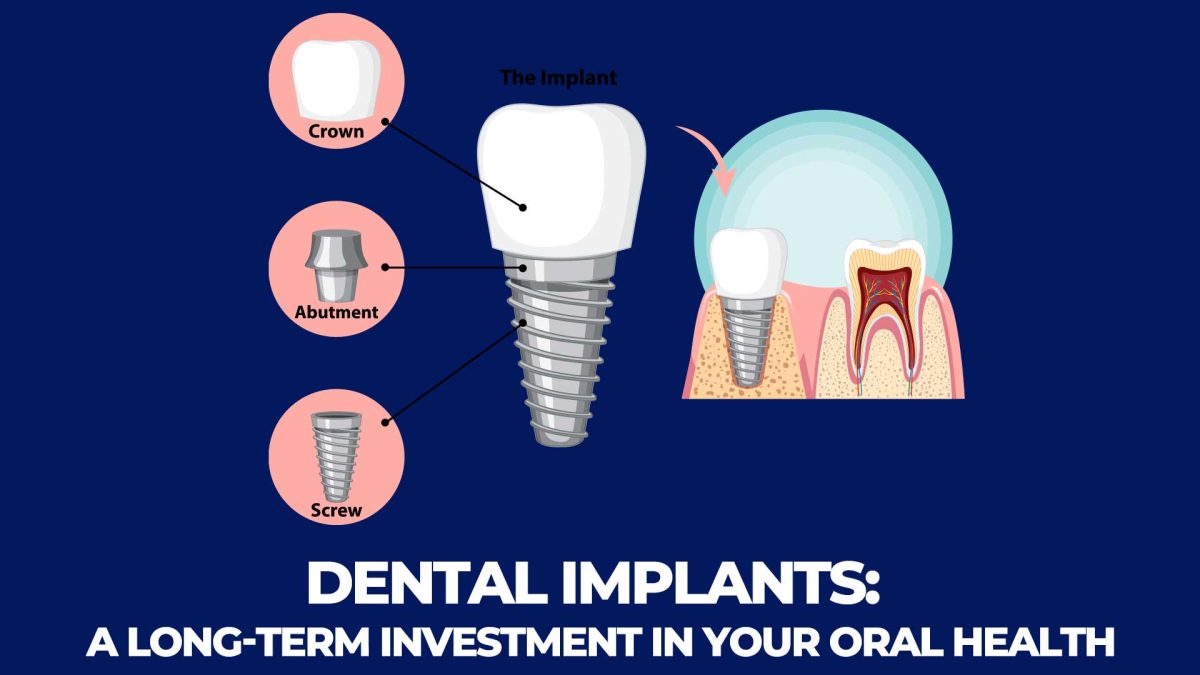
Dental Implants: A Long-Term Investment in Your Oral Health
14 August 2024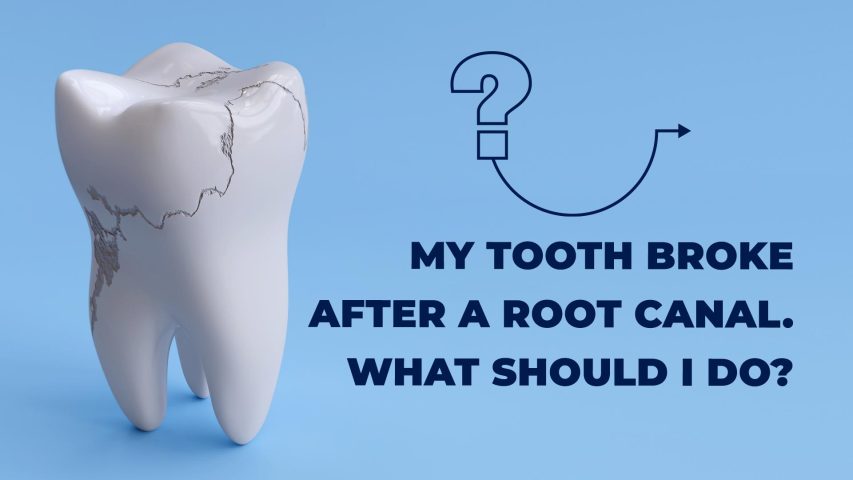
My Tooth Broke After a Root Canal. What Should I Do?
Experiencing a broken tooth after a root canal treatment Istanbul can be alarming, especially after undergoing such a significant procedure. Whether it happens days or even weeks after the treatment, it’s crucial to understand why this occurs and what steps to take next. In this guide, we'll explore the reasons behind a broken tooth post-root canal, how to address the situation, and the role of an Endodontist Istanbul in ensuring the longevity of your dental health. If you're considering dental tourism Turkey or already had your treatment in an Istanbul dental clinic, this article is tailored for you.
As you read this, keep in mind that you can easily contact us via our contact form. At Aliadent, we value easy access for our patients and are proud to offer you personalized treatment. Our expert physicians will listen to you with great care and provide you with the most appropriate treatment. Furthermore, we want you to know that our hospitality is highly praised here.

It is an honor to welcome you. Feel free to contact us anytime.
Short answer: if your tooth broke after a root canal, call your dentist and book an appointment within 1–3 days. Keep any broken piece, rinse with warm water, avoid chewing on that side and cover sharp edges with dental wax. In most cases the tooth can still be saved with a core build-up and a crown. If the crack runs down into the root, the tooth usually has to be removed and replaced with an implant or bridge. Swelling, fever or severe pain need same-day care.
A tooth breaking weeks or months after root canal treatment – often before the permanent crown has been fitted – is more common than most patients expect. Below we explain why it happens, exactly what to do in the first 24 hours, how dentists decide whether the tooth can be saved, and how to protect a root-canal-treated tooth in the future.
Key Takeaways
- Root-canal-treated back teeth have lost a lot of internal structure, so they are more likely to crack – especially while they only have a temporary filling.
- A break above the gum line is usually fixable with a build-up and crown.
- A break at or below the gum line may need a post, crown lengthening or extrusion before a crown can be fitted.
- A vertical root fracture generally cannot be repaired; extraction and an implant or bridge are the usual options.
- Fitting a crown soon after a root canal on a molar or premolar is the best way to prevent this.
Why Does a Tooth Break After a Root Canal?
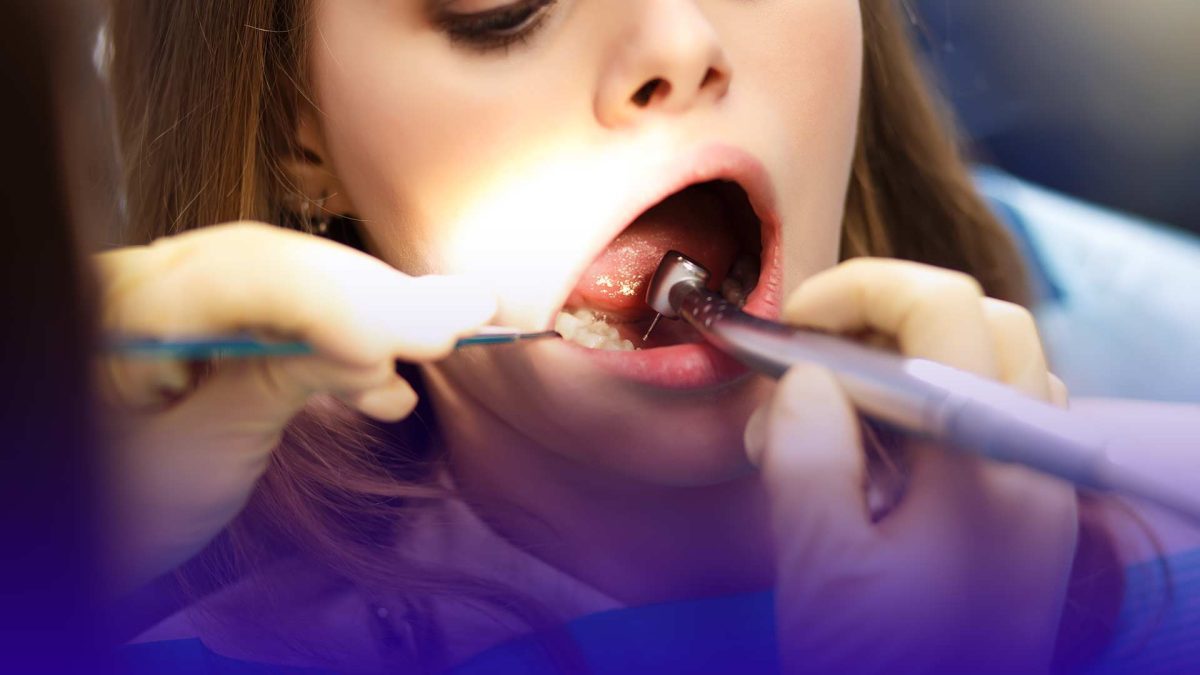
A root canal does not make a tooth “dead and brittle” overnight. The main reason these teeth fracture is the amount of tooth structure that has already been lost – to the original decay or old fillings, and to the opening the dentist has to make to clean the canals. What remains is a thinner shell that has to withstand chewing forces of many kilograms.
- No crown yet: a temporary filling holds the tooth together poorly. This is why so many people search for “tooth broke after root canal before crown”.
- Large old fillings that act like a wedge when you bite.
- Teeth grinding or clenching, especially at night.
- Biting hard foods such as nuts, ice, hard sweets or bones.
- New decay or a leaking restoration that weakens the remaining walls.
What to Do Immediately After Your Root Canal Tooth Breaks
- Call your dentist and describe what happened. Most broken root canal teeth are not an emergency, but they should be seen within a few days.
- Keep the broken piece in a clean container. It helps the dentist understand the fracture line.
- Rinse gently with warm water or warm salt water to clean the area.
- Cover sharp edges with orthodontic wax or sugar-free chewing gum to protect your tongue and cheek.
- Chew on the other side and stick to soft food until the tooth is repaired.
- Manage discomfort with an over-the-counter painkiller such as ibuprofen or paracetamol, if suitable for you.
- Seek same-day care if there is facial swelling, fever, pus, a bad taste or severe throbbing pain – these suggest infection.
Because the nerve has been removed, a broken root canal tooth often does not hurt. Pain usually comes from the surrounding gum or ligament, or from infection – so pain or swelling is a reason to be seen sooner, not later.
Can a Broken Root Canal Tooth Be Saved?
It depends mainly on where the tooth broke and how much healthy structure is left. Your dentist will examine the tooth and take an X-ray (sometimes a 3D CBCT scan) to see the fracture line.
| Type of break | What you notice | Usual treatment | Can it be saved? |
|---|---|---|---|
| Small chip or broken cusp above the gum | Sharp edge, missing corner, little or no pain | Composite build-up and a full crown | Yes, in most cases |
| Large piece broken off, still above the gum | Half the crown missing, food trapping | Core build-up (with or without a post) and crown | Usually |
| Broken off at the gum line | Little or nothing visible above the gum | Post and core plus crown lengthening or orthodontic extrusion, then crown | Sometimes |
| Cracked below the gum line / split tooth | Pain on biting, gum swelling, tooth feels loose | Often extraction; sometimes partial removal | Rarely |
| Vertical root fracture | Recurring gum abscess, deep narrow pocket | Extraction and implant or bridge | Almost never |

Treatment Options for a Broken Tooth After Root Canal
Core build-up and crown
When enough sound tooth remains, the dentist rebuilds the missing part with a bonded composite core and covers the whole tooth with a crown. A crown that wraps around the cusps protects the tooth from splitting again. Modern options include zirconium crowns and E.max crowns.
Post and core
If very little crown is left, a fibre or metal post is placed a short way into the treated root canal to help retain the build-up. The post does not strengthen the root itself; it simply anchors the core.
Crown lengthening or orthodontic extrusion
When the break goes to or just below the gum, a crown needs healthy tooth to grip onto. Crown lengthening reshapes the gum and bone to expose more tooth, while orthodontic extrusion gently pulls the root up over a few weeks.
Extraction and replacement
If the crack runs deep into the root or splits the tooth, it cannot be sealed reliably and infection would return. In that case the tooth is removed and replaced, most often with a dental implant or a bridge. Read what to know before a broken root canal tooth is removed.
If your tooth broke before you had a root canal and you are wondering whether one can still be done, see can a root canal be done on a broken tooth?
What Happens If You Leave a Broken Root Canal Tooth?
Waiting rarely helps. Bacteria can leak past the broken edge into the cleaned canals and re-infect the root, the remaining walls can fracture further (turning a fixable tooth into an extraction), and neighbouring teeth can drift. Even if it does not hurt, have it assessed promptly.
How to Prevent a Root Canal Tooth From Breaking
- Have the permanent crown fitted as soon as your dentist recommends – ideally within a few weeks for molars and premolars.
- Avoid chewing hard or sticky food on the tooth while it has a temporary filling.
- Wear a night guard if you grind or clench your teeth.
- Keep up regular check-ups so cracks and leaking fillings are caught early.
- Ask about bite adjustment if the treated tooth feels “high” when you close.
Unsure whether your symptoms point to a hidden crack? Our guide to cracked tooth syndrome explains the warning signs. For more about the procedure itself, see is root canal treatment painful?
Getting a Broken Root Canal Tooth Treated at Aliadent
Our endodontic and prosthetic teams in Istanbul assess broken root-canal-treated teeth with digital X-rays and 3D imaging and, where the tooth can be saved, can often complete the build-up and crown within a short stay. Learn more about root canal treatment at Aliadent or contact us with a photo of your tooth for an initial opinion.
Frequently Asked Questions
My tooth broke after a root canal but before the crown – what should I do?
Call your dentist, keep the broken piece, avoid chewing on that side and cover any sharp edge with dental wax. In most cases the tooth can be rebuilt and crowned, so book an appointment within a few days.
Is a broken root canal tooth an emergency?
Usually not, because the nerve has been removed. It becomes urgent if you have facial swelling, fever, pus or severe pain, which can indicate infection.
Can a root canal tooth that broke off at the gum line be saved?
Sometimes. If enough healthy root remains, a post and core with crown lengthening or orthodontic extrusion can allow a crown to be fitted. If the fracture extends deep into the root, extraction is usually recommended.
Why doesn’t my broken root canal tooth hurt?
The pulp (nerve) was removed during the root canal, so the tooth itself has no sensation. Discomfort usually comes from the gum or surrounding tissues.
Do I need a new root canal if my treated tooth breaks?
Not always. If the root filling is intact and was not exposed for long, the dentist can often rebuild the tooth directly. If bacteria have leaked in or the old treatment failed, re-treatment may be needed.
How long can I wait to fix a broken root canal tooth?
Aim to be seen within a few days. Waiting weeks increases the risk of re-infection and further fracture that could make the tooth unsaveable.
This article is for general information and does not replace a dental examination. Sources: American Association of Endodontists (aae.org), NHS (Root canal treatment).