The 7 Best Fast Effective Teeth Whitening Methods
22 August 2025
The Best Tips for Preventing Bad Breath
10 September 2025
Sinus Lifting vs. Bone Grafting: Which Is Right for You?
If dental implants are something you’re considering but have been told that there isn’t enough bone to hold them, you would have likely heard of sinus lift and bone grafting. It’s vital to know these procedures and their distinctions before you make an informed decision about your oral health. In this article, we will discuss what sinus lifting and bone grafting involve, how they differ, and which one would ideally suit your particular dental needs.
Successful dental implants rely greatly on a resilient and stable base. The upper jawbone is usually too thin to accommodate implants; therefore, dental technicians often resort to sinus lifting or bone grafting to prepare the perfect foundation for the implants. Let’s go through the description of these two treatment options, healing times, and the way they can restore your smile.
What Is Sinus Lifting and How Does It Work?
The method called sinus lifting or sinus augmentation is a special type of surgical technique that would allow for the augmentation of the bone in the upper jaw, mainly in the region of molars and premolars. Since the maxillary sinuses are air filled cavities just above the upper teeth, occasionally, this height level of bone can interfere with implant placement. If the sinus floor is low, there may not be enough bone to support an implant. And this is where sinus lifting has come in.
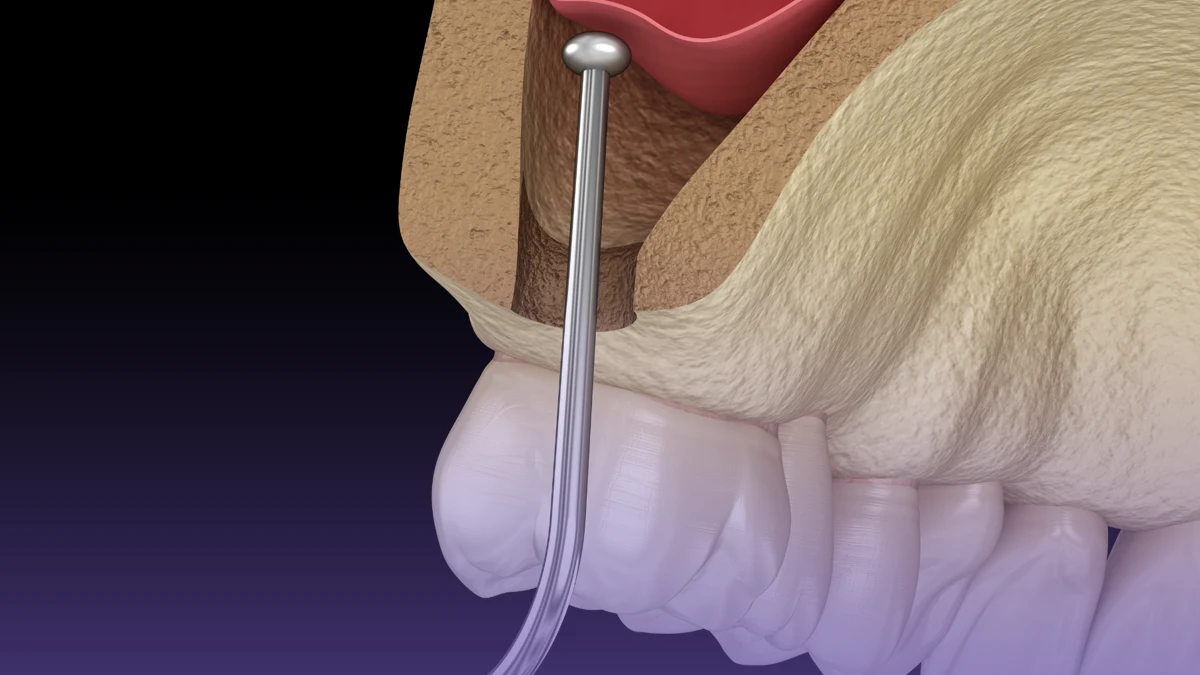
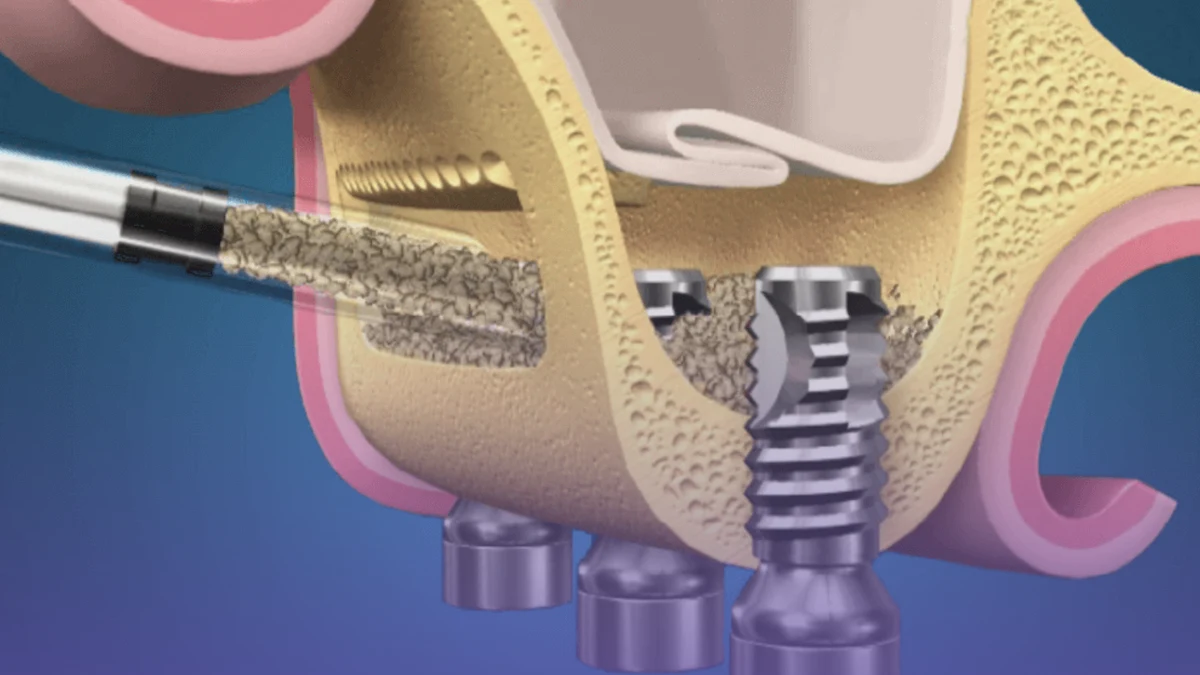
The work of implants under one of the most delicate manual tasks involves an oral surgeon or periodontist, who lifts the sinus membrane upward to gain space beneath, where bone grafting material is inserted. The material can be synthetic, donor derived, or the patient’s own bone collected from another site of the patient. Over the months, assimilation of the graft by the patient’s body occurs, and new bone is grown, which strengthens the jaw and provides a firm base for implants. It is most helpful where there has been a bone loss resulting either from tooth loss or periodontal disease or rarely from natural sinus expansion.
Many patients wonder about the differences between sinus lifting vs bone graft procedures, but it’s important to note that sinus lifting is actually a type of bone grafting, specifically targeting the sinus area. The goal is to augment bone height to safely anchor implants without compromising the sinus cavity.
Understanding Bone Grafting: A Broader Perspective
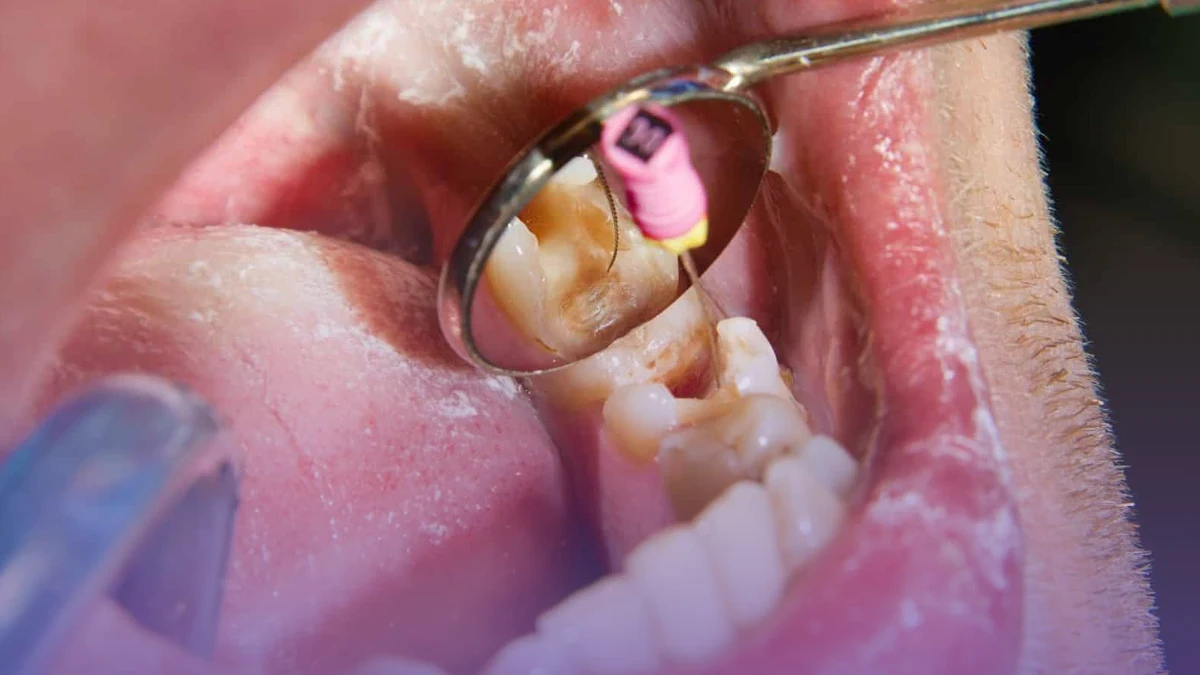
Calling bone paste may sound cliché, but this term means almost anything that can be introduced to a site for jaw bone really inadequate. Bone grafts are basically done in different parts of the mouth, either lower jaw or near the existing teeth, whereas sinus lift for implant focuses on the sinus of the upper jaw.
Various types of bone grafts are used for dental implantology. Autografts involve using bone taken from the patient’s own body, usually from the chin, hip, or other areas of the jaw. Allograft uses bone from donors in a tissue bank, whereas xenograft utilizes bone of animal origin, commonly bovine. Or synthetic materials can be used to promote bone growth. Selection depends largely on the patient’s medical condition, the amount of bone to be vacant, and, very importantly, surgeon’s choice.
Bone grafting is often required when bone loss has occurred due to processes like prolonged absence of a tooth, trauma, or infection. A strong bone base meant not only for the stability of implants but also the long term health of the tissues around it. One must know about the time required for bone grafts because it generally takes months before implants can be placed safely.
Comparing Sinus Lifting vs Bone Grafting: Key Differences
While both procedures are designed to increase the volume of bone in preparation for placement of a dental implant, a key difference resides in the areas and techniques where each procedure is carried out. Placing the two somewhat in opposition or as alternative choices, in truth, is not quite right: sinus lifting is a more specific procedure within the category of bone grafting.
The sinus lift targets the maxillary sinus in the upper jaw specifically. The procedure entails elevation of the sinus membrane and filling the space between the membrane and the existing bone with graft material so as to increase the vertical bone height. On the other hand, bone grafting can be more versatile and may be done in other areas of the jaw: horizontal grafts to widen a thin ridge or block grafts to build considerable bone mass.
Also, the recovery periods of the two treatments can be different. A sinus lift has a recovery time of approximately four to six months while the graft material integrates with your natural bone, and at this time, the implant can be successfully placed. Other graft types have a similar or somewhat longer recovery period, depending on location and size of the graft. Consulting your dentist about your specific case will clarify what option suits your anatomy and time frame best.
What to Expect During Sinus Lift Recovery?
Knowing the bone graft recovery time after a sinus lift is imperative to the building of your treatment and lifestyle plan. Healing lasts from four to six months. It is during this time that the graft material bonds with the existing bone. Bone formation also takes place to strengthen this area for supporting dental implants safely.
During the hours after the procedure, some patients experience swelling, slight pain, or sinus congestion, a normal thing after surgery. Your dentist would give you medication to manage the pain and minimize infections. During this crucial phase of healing, you must not blow your nose or sneeze hard to dislodge the graft or the sinus membrane.
Follow up visits are scheduled to monitor the healing process through clinical evaluation and imaging studies. Once the surgeon determines that the graft is adequately integrated, the implant procedure can commence. Good oral hygiene and trustworthy post operative care instructions must be strictly adhered to.
When Is Bone Grafting for Implant Necessary?
Bone grafting procedures become essential for dental implants when there is an insufficient volume or width of bone to provide a secure anchorage place for the implant. Implants without enough bone support may fail because they become unstable or fail to integrate correctly with the bone. Bone loss may be the result of many factors: extended periods of tooth loss, trauma, periodontal disease, or anatomical limitations.
In fact, the procedure of bone grafting restores and builds enough mass so an implant can rest upon the resulting foundation confidence. In this way, people who otherwise would not be candidates for implants can have them placed. Your dentist or oral surgeon may evaluate your jawbone by using an x-ray or CT scan to accurately determine if grafting is necessary.
Based on the amount of bone loss, grafts can be either minor or major surgical procedures. Thus, the recovery time and the way procedures are carried out will differ. A full discussion of all options with a dental professional is warranted to choose the best plan suited to your condition.
The Role of Sinus Lift for Implant Success
Dental implants in the upper jaw adjacent to the sinus cavity present distinct challenges. Maxillary sinuses tend to expand or enlarge naturally once teeth have been lost, decreasing the bone height available. This anatomical difference limits the implant placement unless one performs a sinus lift for the implant.
By elevating the sinus membrane and augmenting bone height, sinus lift will provide a safer and more secure environment for the implants, thus reducing the chances of sinus perforation, implant failure, and others. The procedure is now routine and well documented, with great success rates.
Sinus lifts have a positive effect on the implant stability and longevity of patients, allowing them to enjoy full benefits of dental implants in terms of restoring their chewing function, speech, and aesthetics. If you are considering implants and do not have sufficient bone in the upper jaw, then sinus lifting may complement implant placement the best.
Choosing the Right Procedure: Factors to Consider
Deciding between sinus lifting vs. bone grafting all depends on several factors, such as location and amount of bone loss, your general health condition, and what your goals are for treatment. Your dental surgeon will perform a thorough evaluation and help you choose which procedure best suits your needs.
Imaging is performed via cone beam CT scans, which really show you what’s happening with the jawbone and the sinus anatomy. This will ascertain if perhaps a sinus lift graft or a ridge augmentation or a combination of grafting techniques is suitable. Your surgeon will evaluate your medical history, your healing potential, and your preferences as well.
Timeline is another consideration because sinus lifts and bone grafting call for healing time before you can place an implant, which may affect how soon you get your dental restoration done. This consideration would include your costs and potential risks, as well as post operative care. In making this decision, work closely with your dental team to establish the safest and most effective route towards a happy smile.
Sinus Lifting and Bone Grafting for a Stronger Smile
Sinus lifting and bone grafting are two procedures that have greatly contributed to the development of modern dental implantology. They allow patients to have implants that are stable and can last for a long time if they have insufficient bone volume along with better functions and aesthetics.
Taking into consideration how sinus lifting differs from bone graft recovery time and finding the place of these techniques in your treatment program will prepare you to bravely take care of your dental issues. Remember, there are no two cases alike, and working with an experienced dental professional is critical for achieving the best results.
Were you ever told that you require additional bone to work with for implants? Then, feel free to discuss sinus lift and bone grafts with your dentist. Through good planning and care, great smile results could be yours for many years.